
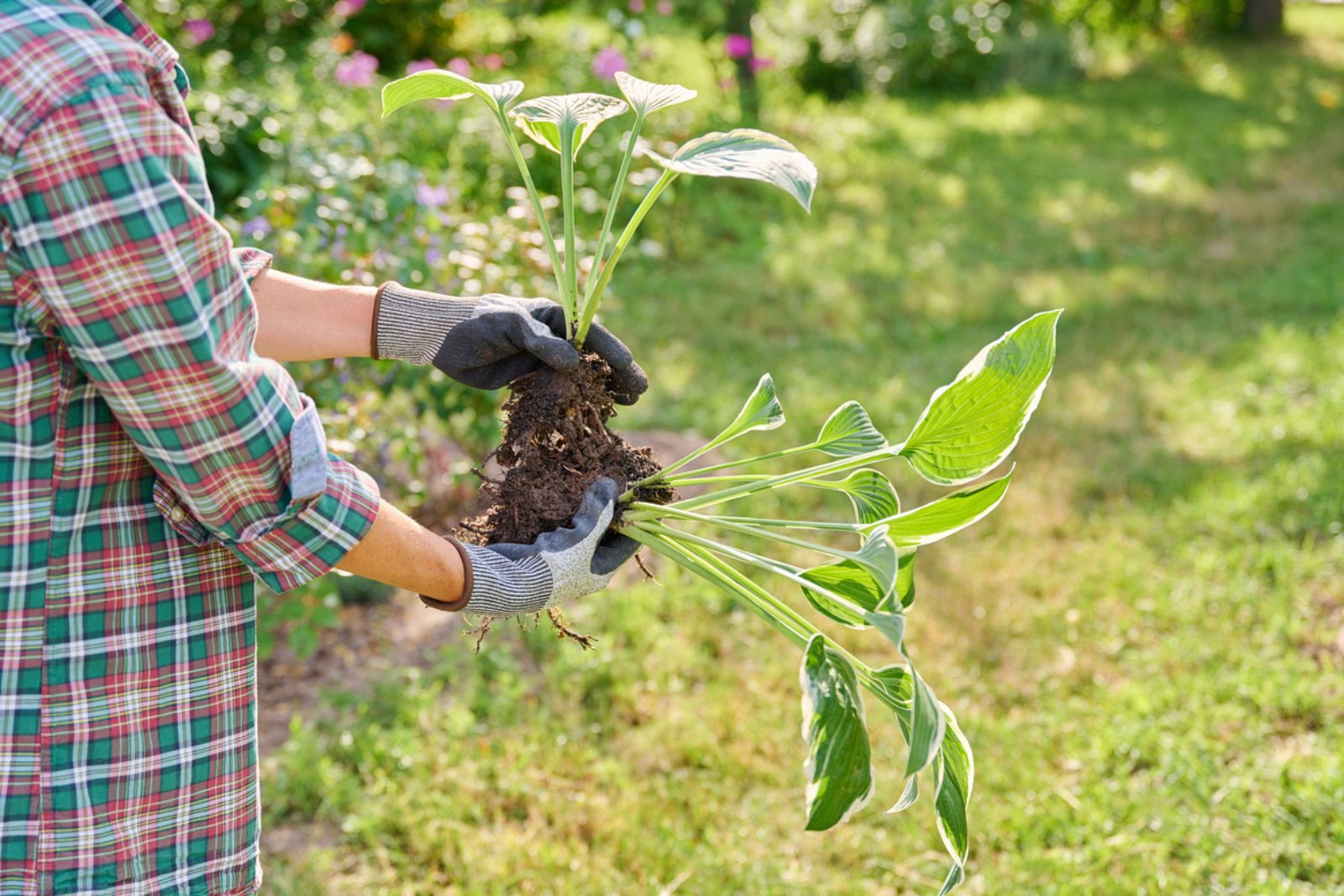
By late fall, the hostas that looked so lush in July have collapsed into a mushy pile of yellow and brown leaves. You leave them where they fall, figuring they’ll protect the roots over winter. Then spring comes, the new leaves unfurl, and within weeks they’re full of ragged holes.
This is not your fault. Leaving perennials standing over winter is good advice for many plants, so it’s easy to assume hostas are the same. But hosta foliage is different. University of Illinois Extension says that once fall color subsides, you should cut back your hosta foliage and leaf stems, and notes that “Cutting back the foliage also reduces future slug populations.”
Table of Contents
Why old hosta leaves cause problems next spring
Left in place, hosta leaves decay over the crown, the spot where next year’s shoots emerge. Perennial grower Walters Gardens warns that slugs and snails may lay their eggs in that decaying foliage, which is why removing it in fall helps prevent problems in spring.
The leaves that blow in from trees can make it worse. Illinois Extension recommends clearing soggy, wet tree leaves out of the hosta crown to discourage slugs, as well as rabbits and voles. And if any leaves showed signs of disease during the season, leaving them in place gives the problem a head start next year.
How to put hostas to bed for winter
- Wait for the fall color to fade. Illinois Extension says to cut back once the fall color subsides.
- Cut the leaves and stems. Remove the foliage and the leaf stalks, or petioles, at the base. Clean, sharp pruners or garden scissors make this quick.
- Clear the crown. Pull away soggy tree leaves and other debris sitting on top of the plant.
- Get the old foliage out of the garden. Walters Gardens recommends removing the cut foliage from the garden rather than leaving it in the bed.
- Toss diseased leaves. Illinois Extension says that if a disease is present, dispose of the spent foliage so it doesn’t spread the following spring.
- Mulch new plants after the ground freezes. For newly transplanted hostas, Illinois Extension suggests adding mulch once the ground has frozen to insulate the soil and prevent frost heaving.
Mark where each hosta sits, especially in mixed beds, so you don’t dig into a dormant crown in early spring. A shady bed cleaned up in fall is also easier to dress up next year, whether with a bench or one of these outdoor fountain ideas nearby.
What fall cleanup can’t do
Cutting back helps reduce slug numbers, but it won’t eliminate slugs entirely. Keep an eye on the new leaves in spring.
Mulch needs follow-up too. Illinois Extension advises removing winter mulch the following spring so the crown does not rot. If your hostas had leaf problems during the season, a disease or nematodes may be involved, and your local extension office can help identify the cause before you divide or share plants. Hostas usually don’t need dividing for many years, according to Walters Gardens, so fall is for cleanup, not surgery.
Wait for the color to fade, cut it all back and take it away. That’s the trick.
WHAT DO YOU THINK?